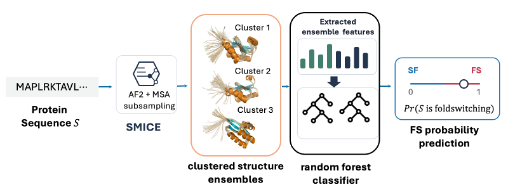
Classifying Metamorphic versus Single-Fold Proteins with Statistical Learning and AlphaFold2
Annals of Applied Statistics, accepted, 2026
Statistical learning and AlphaFold2 features for identifying proteins with alternative folds.

Postdoctoral Researcher
Department of Statistics
Harvard University
I am a postdoctoral researcher in the Department of Statistics at Harvard University, working with Samuel Kou. I received my Ph.D. in Statistics from the University of Georgia in 2024, advised by Wenxuan Zhong and Ping Ma, and my B.S. in Mathematical Statistics from Nankai University in 2019.
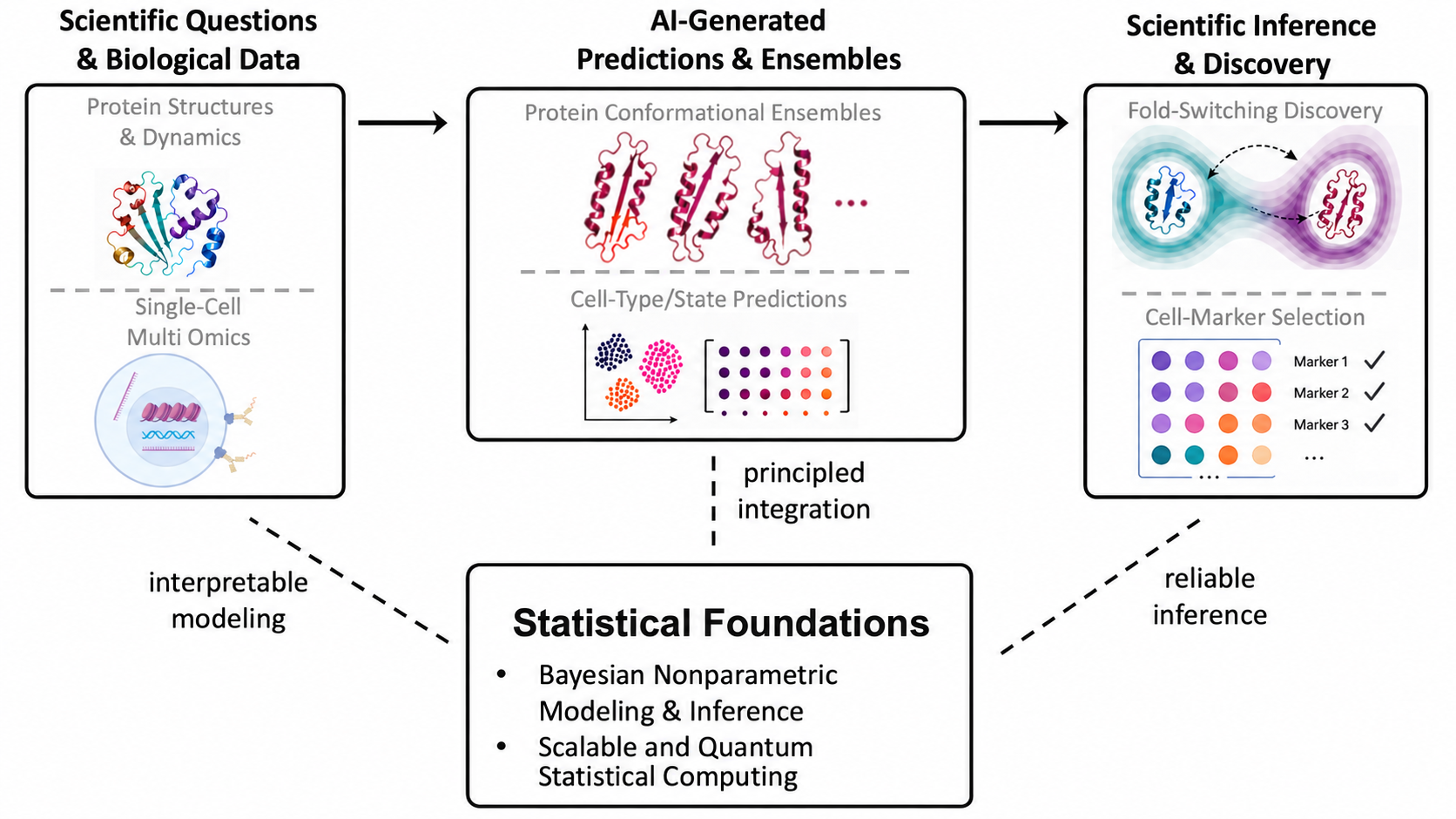
My research develops statistical foundations for AI-driven scientific discovery, with applications in computational biology and protein science. My interests include Bayesian nonparametric modeling and inference, uncertainty quantification, and scalable and quantum statistical computing.
Annals of Applied Statistics, accepted, 2026
Statistical learning and AlphaFold2 features for identifying proteins with alternative folds.
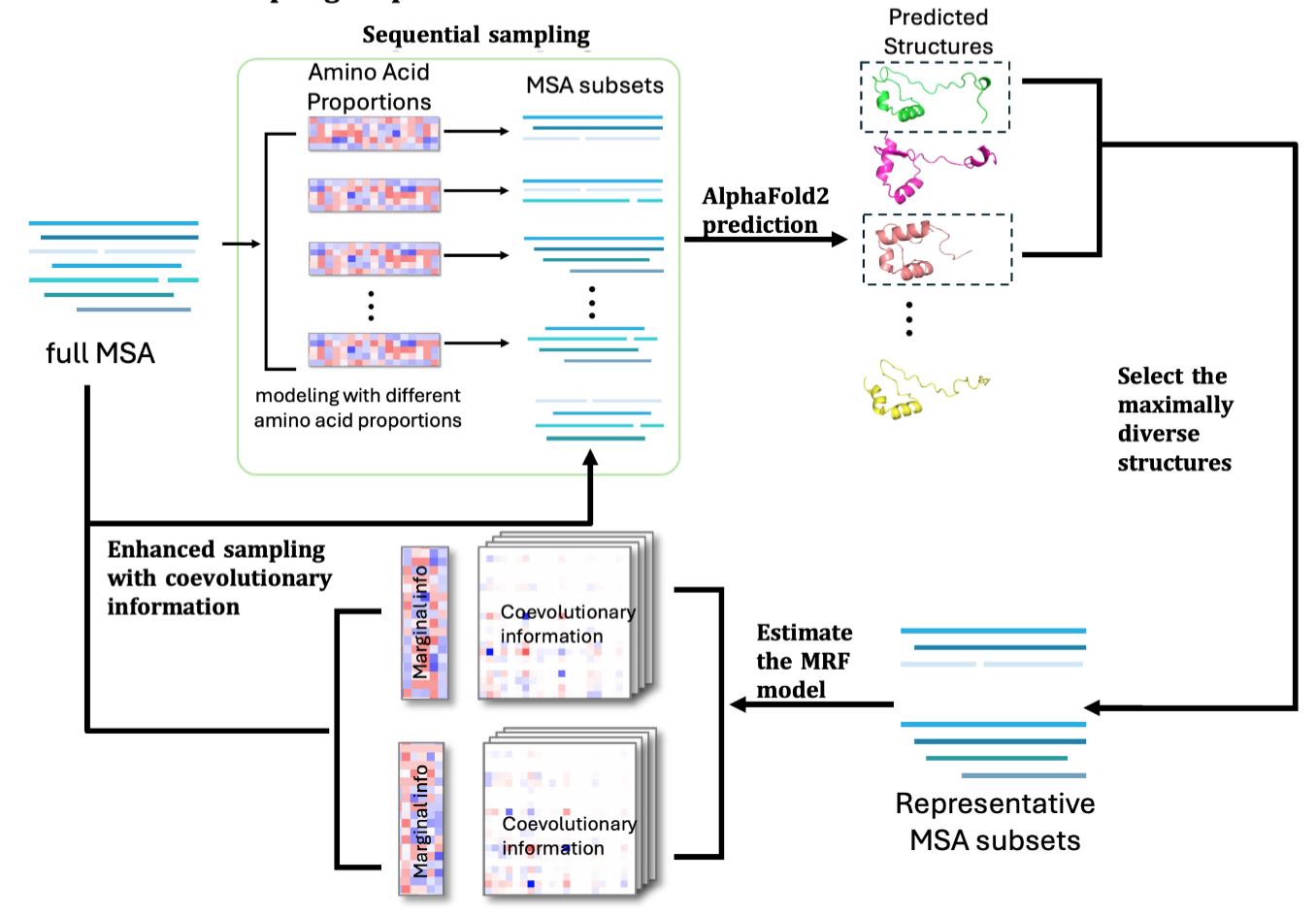
bioRxiv, 2025
SMICE uses coevolutionary information to guide MSA sampling and explore distinct protein conformations.
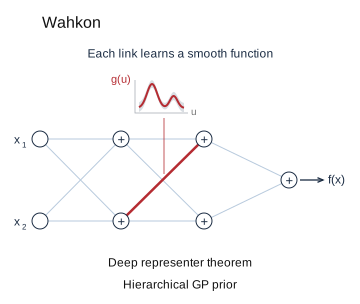
STAI-X, 2026 · Best Paper Award
Smooth link functions, RKHS regularization, and hierarchical Gaussian-process priors for deep learning.
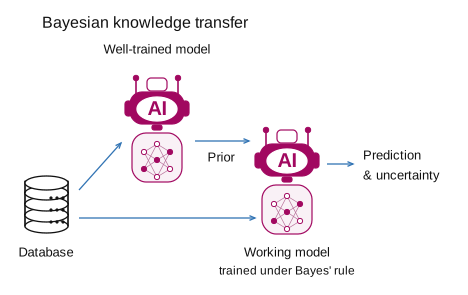
ICML, 2024 · * Equal contribution
Teacher-informed priors connect knowledge distillation with Bayesian inference and uncertainty quantification.
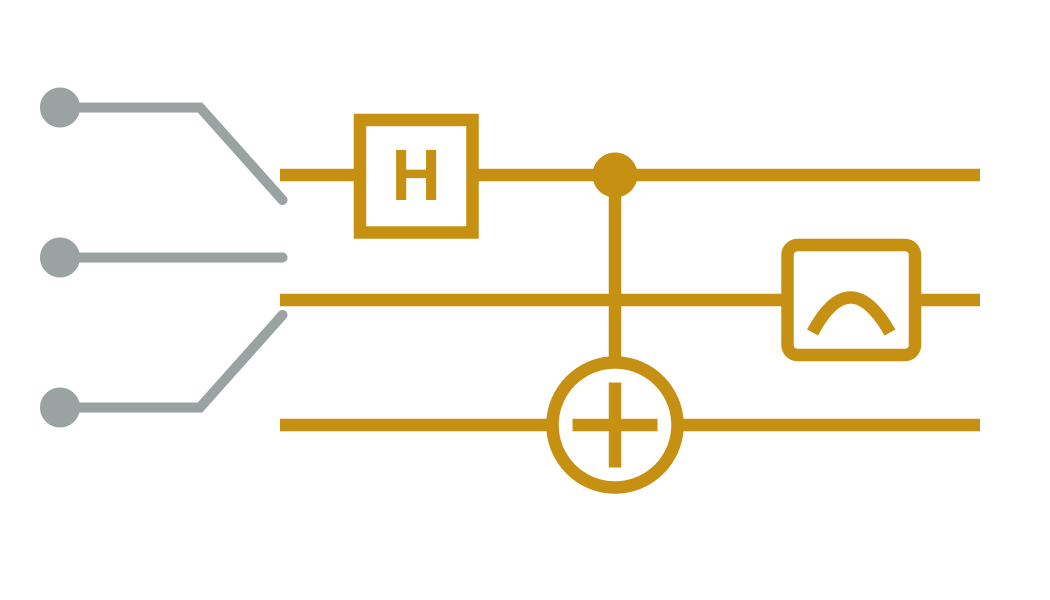
Journal of the American Statistical Association, 2024 · * Equal contribution
Quantum search for statistical computation, with an application to multimodal single-cell data.
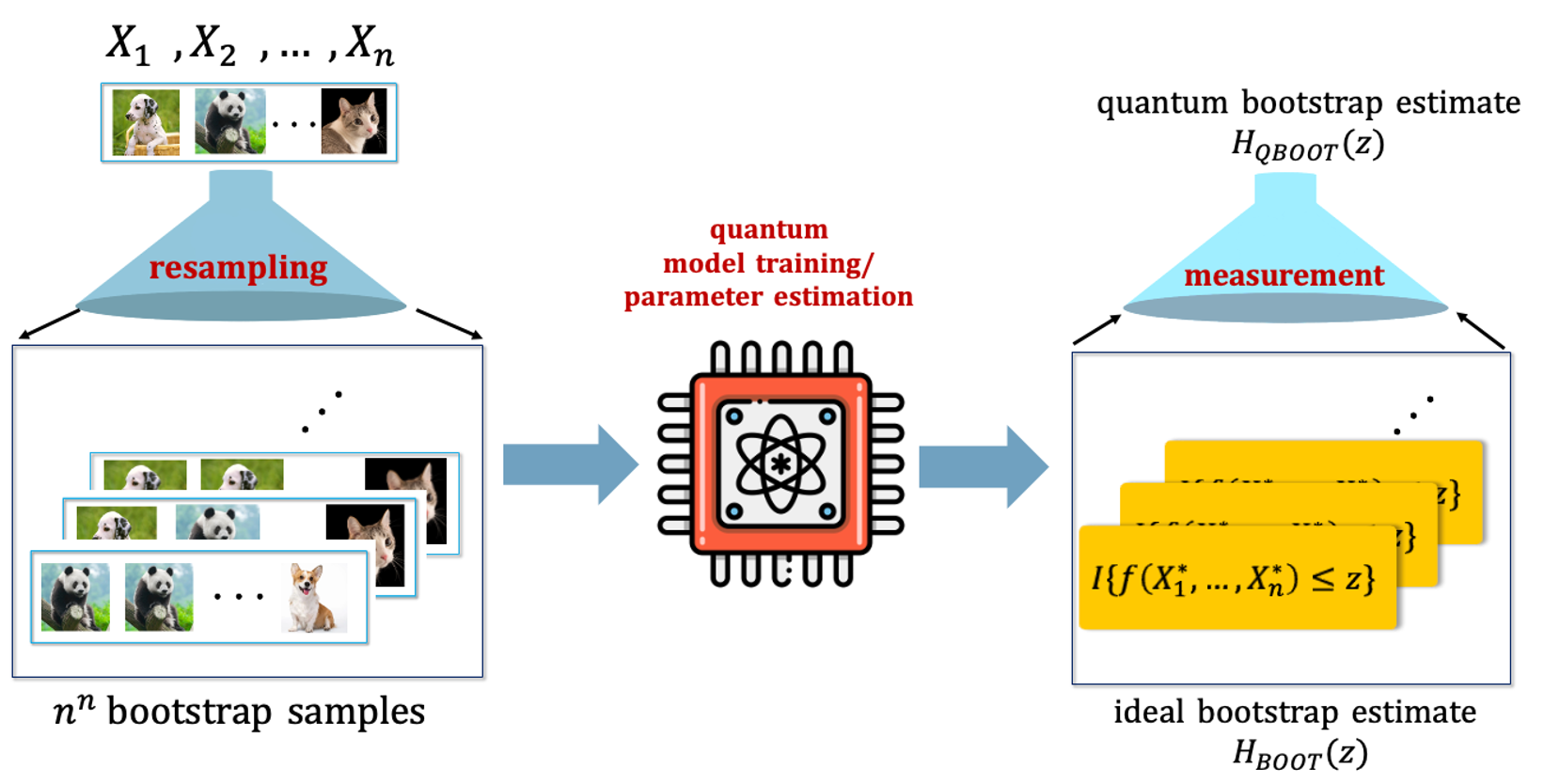
arXiv preprint, 2026
Quantum algorithms for bootstrap computation, with an analysis of their statistical error properties.
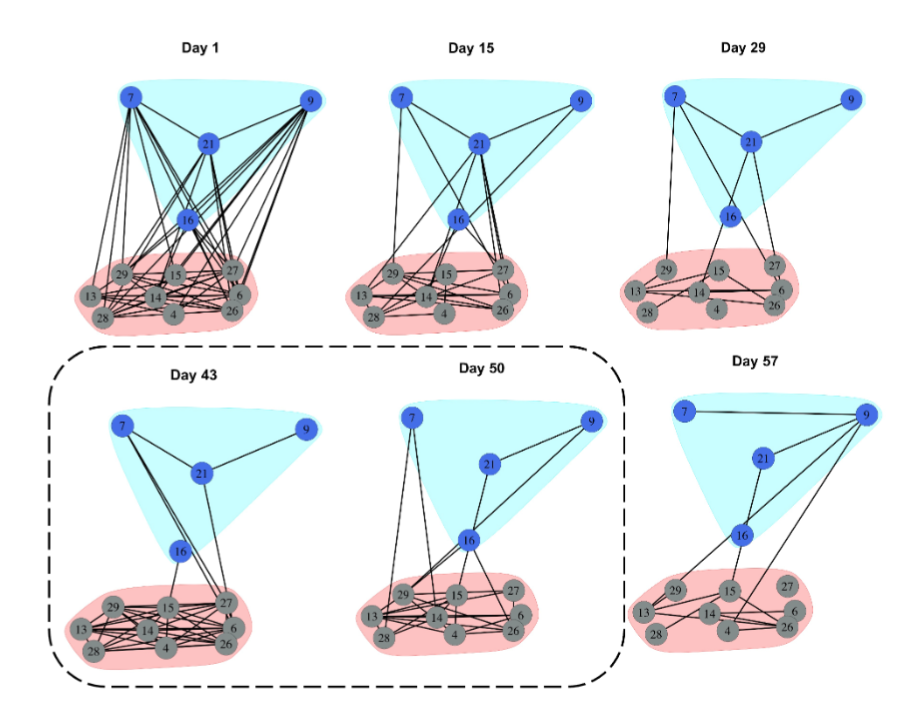
Journal of Computational and Graphical Statistics, 2025
A nonparametric metric for assessing dynamic association with Bayesian uncertainty quantification.
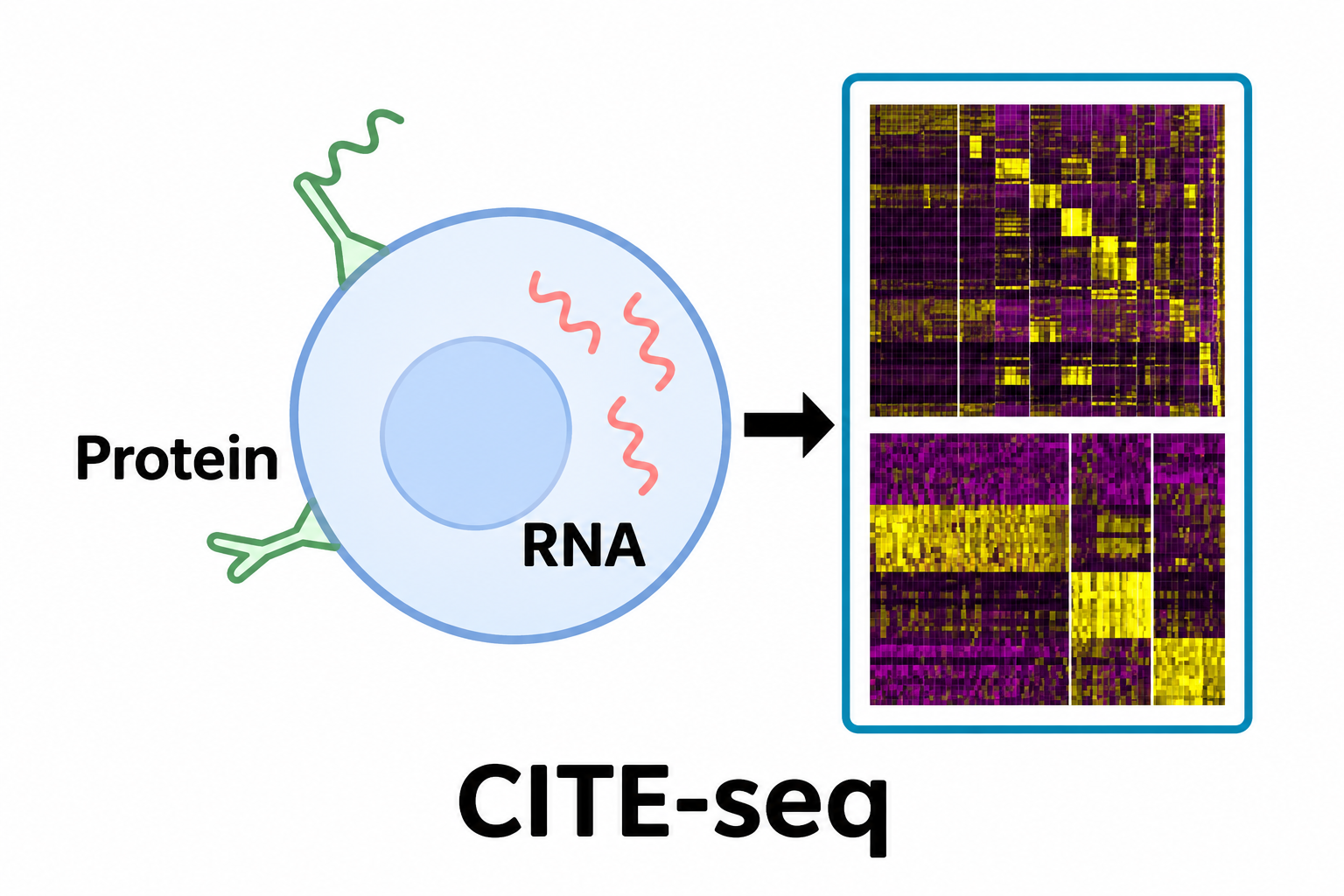
BMC Bioinformatics, 2024 · * Equal contribution
OMIC integrates RNA and protein measurements to identify cell populations and interpret the contribution of each modality.
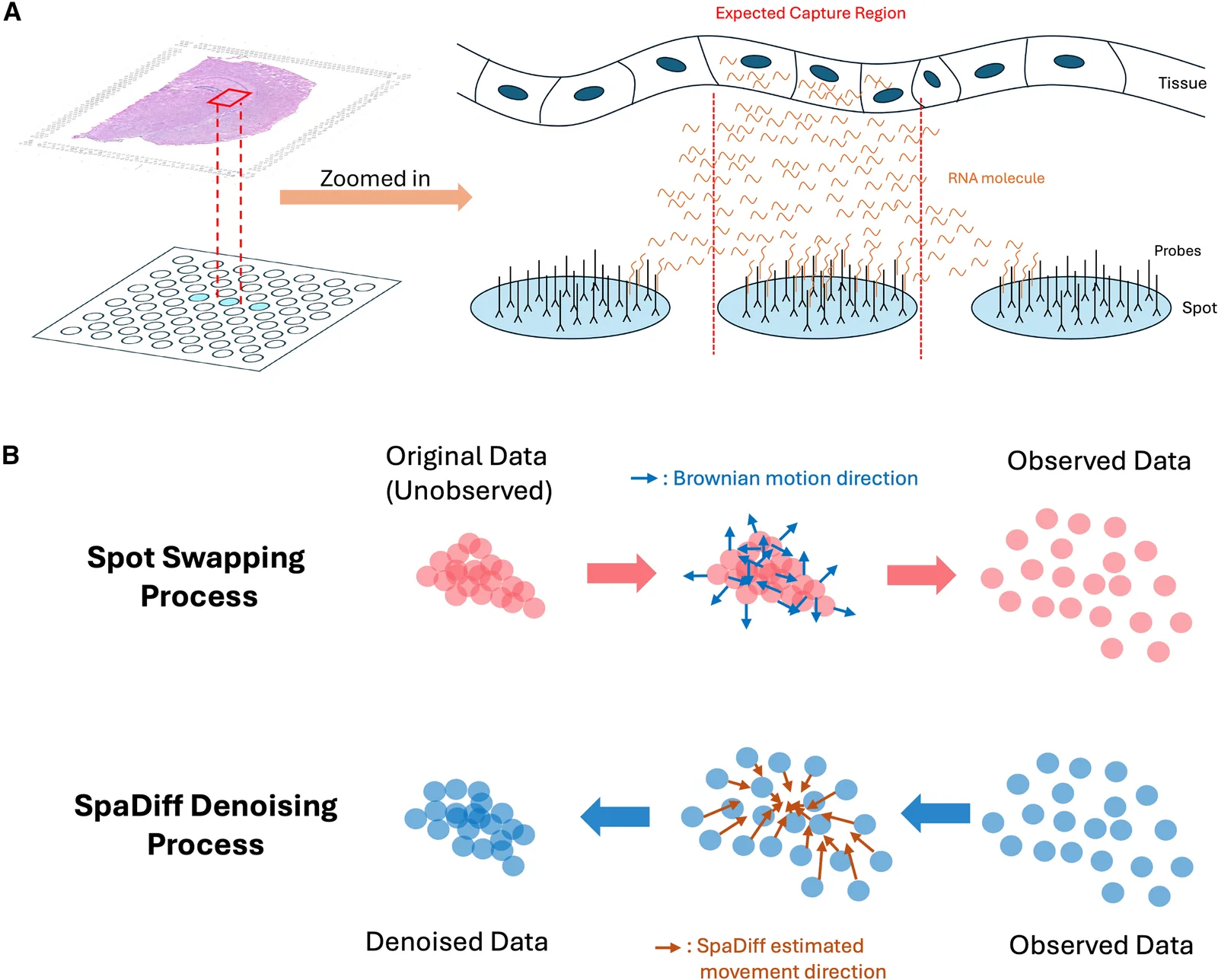
Cell Reports Methods, 2026
SpaDiff reverses RNA spot-swapping to recover spatial gene-expression patterns while preserving total molecular counts.
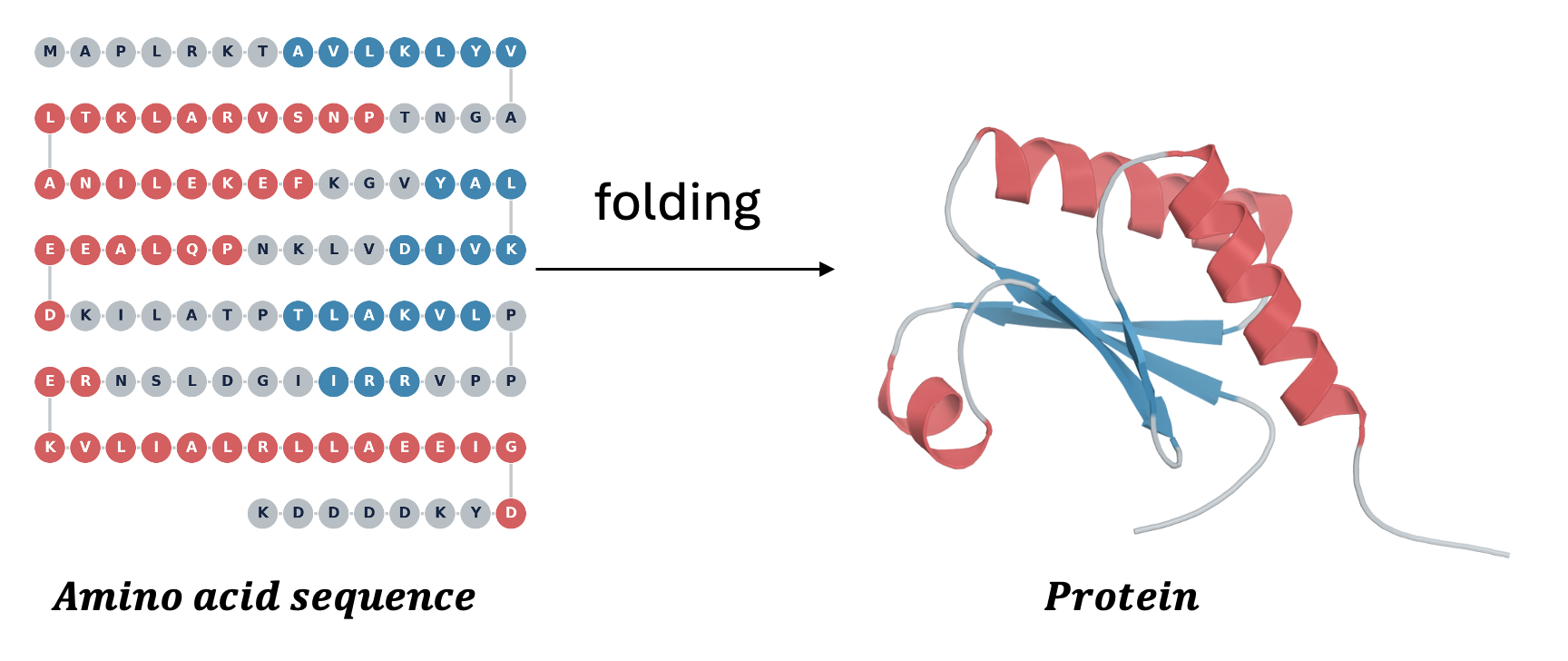
Proteins are dynamic molecules whose changing shapes are closely connected to their biological roles. My research brings statistics and AI together to explore the diversity of protein structures and how proteins move between different conformations. I am interested in turning computational predictions into reliable insights about protein behavior.
Individual cells differ in their molecular activity, biological roles, and responses to their surroundings. My research develops statistical approaches to bring together complementary measurements of cells and understand how they are organized within tissues. The goal is to reveal meaningful cellular variation while accounting for the noise and complexity of modern biological data.
Multimodality integration: [paper]
SpaDiff: [paper]
BGS for CITE-seq: [paper] [code]
Microbial communities are dynamic ecosystems in which relationships between organisms can change over time and across environments. My research studies these changing associations to better understand the collective behavior of microbial communities. Through Fluid Correlation, I develop statistical tools that describe how these relationships evolve and quantify uncertainty in the resulting conclusions.
Fluid Correlation: [paper]
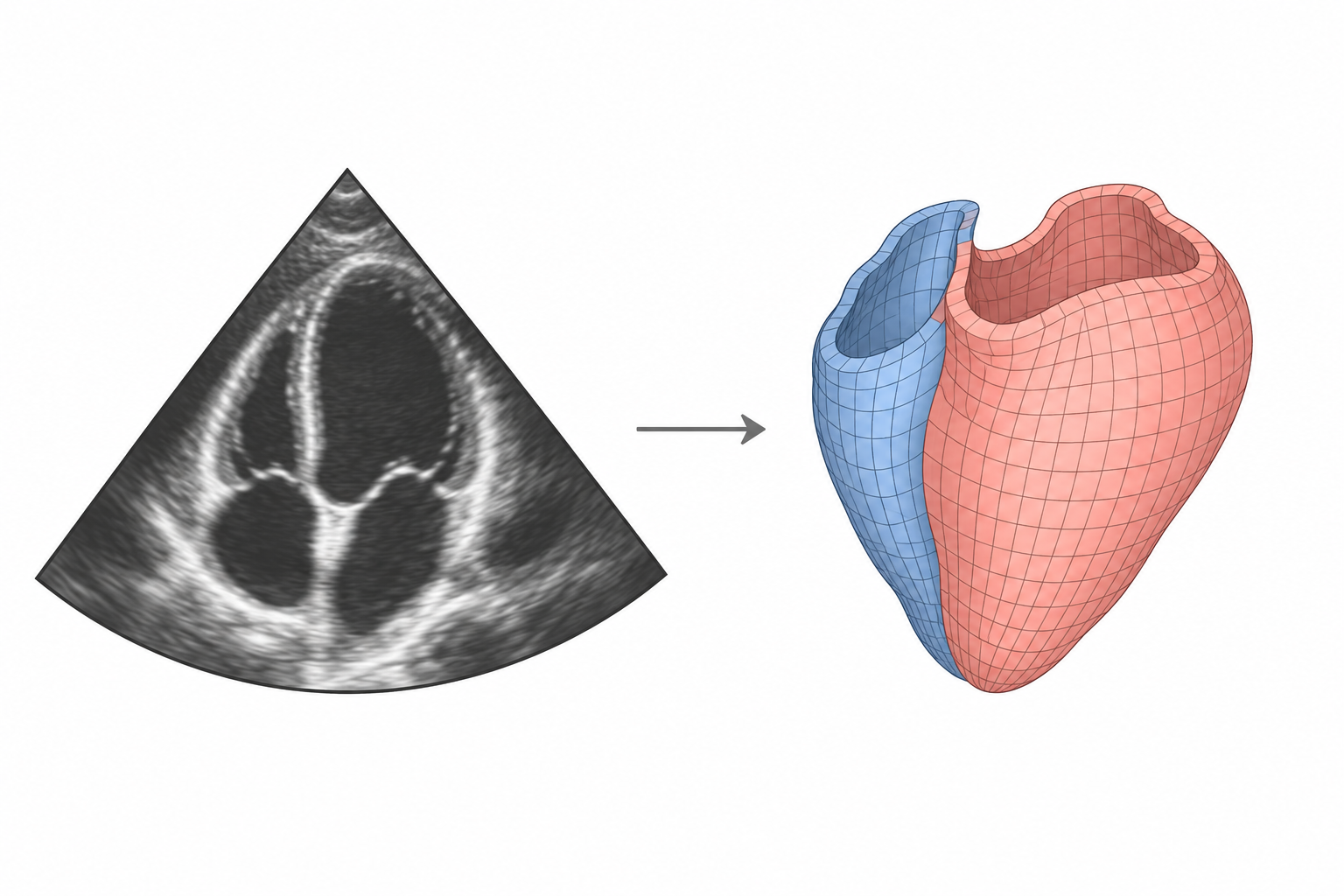
Medical images offer a window into the structure and function of the human body, but translating them into useful information requires careful analysis. In collaborative work, I use statistics and machine learning to extract information from cardiac ultrasound and reconstruct three-dimensional heart morphology. These projects connect advances in data analysis with questions about cardiac structure and function.
S2MNet: [paper]
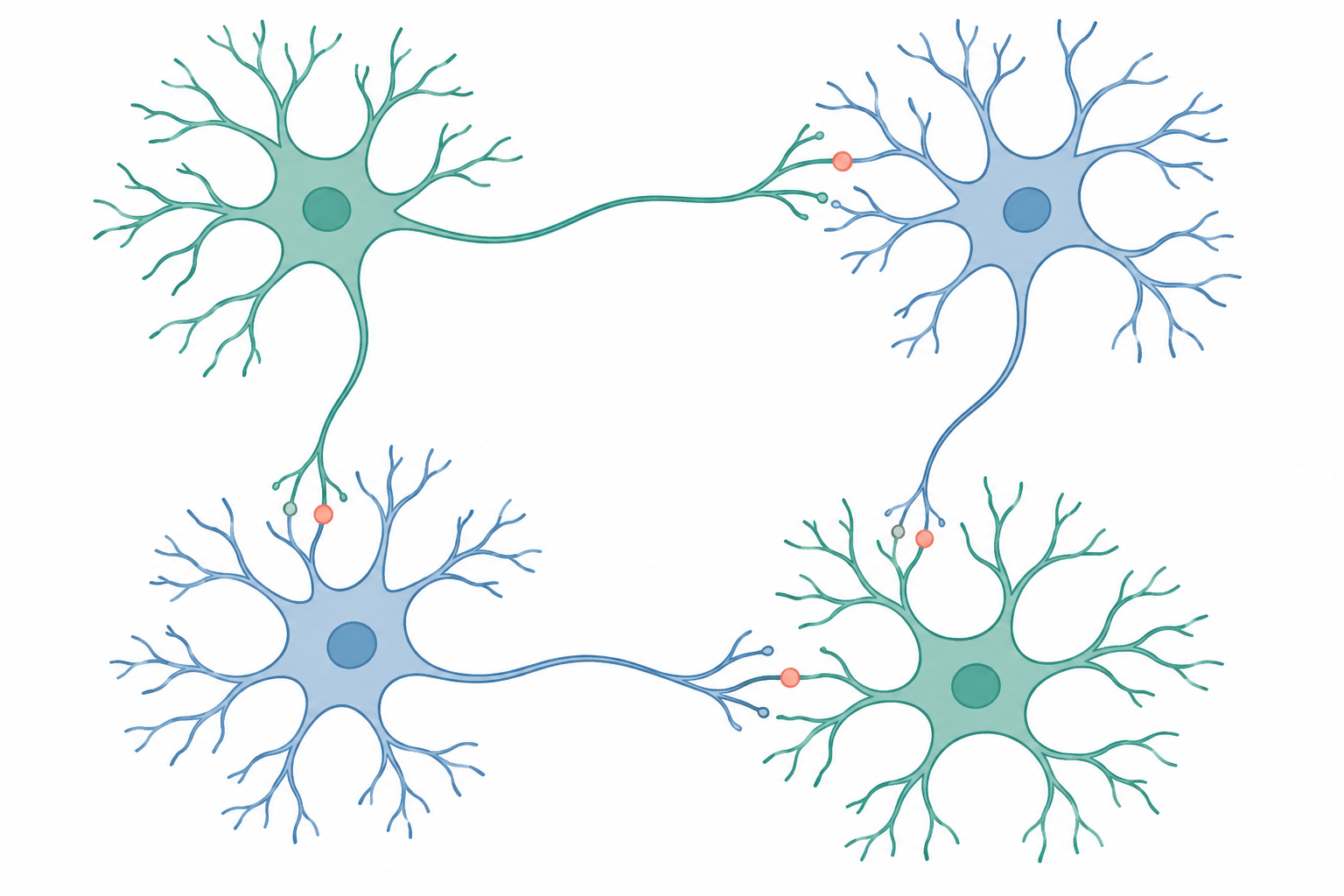
Brain function emerges from the coordinated activity of many interacting neurons. My collaborative research uses statistical analysis to study how neural activity is organized and how connections between neurons change during development. By examining patterns across neural populations, we seek to understand how changes in biological conditions are reflected in the behavior of neural circuits.
Research implementations and analysis workflows associated with my papers.